[:id] The event will be held on 10- 19 July 2026


Background and Urgency
Tropical biodiversity represents one of Earth’s most invaluable assets. Tropical regions possess the highest levels of biodiversity globally, with genetic, species, and ecosystem diversity underpinning critical ecological functions such as climate regulation, water cycles, soil fertility, carbon sequestration, and habitat provision. As a significant part of the tropics, Indonesia is recognized as a megadiverse nation—a vital hub for research, education, and
conservation, and a “natural laboratory” for the advancement of evidence-based science and policy.
Despite this immense potential, tropical biodiversity is currently facing increasingly severe pressures. Deforestation, ecosystem degradation, climate change, overexploitation of natural resources, pollution, and the species extinction crisis are interconnected threats to the long-term survival of flora, fauna, and ecosystem stability. These challenges impact not only the environment but also economic sectors reliant on ecosystem services, as well as the socio-cultural sustainability of local and indigenous communities deeply connected to tropical
environments.
In this context, sustainable tropical biodiversity conservation has become an urgent necessity and a shared global responsibility. Indonesia holds a strategic position in contributing to the achievement of the Sustainable Development Goals (SDGs), specifically SDG 4 (Quality Education), SDG 13 (Climate Action), SDG 14 (Life Below Water), SDG 15 (Life on Land), and SDG 17 (Partnerships for the Goals). The Tropical Biodiversity Summer course: Towards Sustainable Conservation 2026 is designed as an intensive and integrative program that combines lectures, workshops, fieldwork, and cross-cultural engagement. It aims to enhance the academic capacity and practical skills of students while building collaborative
networks between acade.
Program Objectives
General Objective
To enhance the academic and practical capacity of students in understanding, analyzing, and designing sustainable conservation solutions for tropical biodiversity through a multidisciplinary, collaborative, and field-based approach.
Specific Objectives
- To equip participants with a comprehensive understanding of fundamental tropical ecology concepts and current challenges in conservation.
- To enhance participants’ proficiency in modern biodiversity research methodologies, including environmental DNA (eDNA) approaches, species distribution modeling, the application of artificial intelligence in conservation, case studies, and socio-ecological perspectives.
- To develop fieldwork skills in biodiversity studies through field trips to coastal ecosystems and conservation areas in Pangandaran, including wildlife conservation case studies in West Java.
- To promote the sustainable utilization of tropical biodiversity, particularly for health, medicine, and human well-being, guided by the principles of sustainability.
- To foster international networks among students, academics, research institutions, NGOs, and industries engaged in the conservation and sustainable utilization of biological resources.
- To provide a platform for academic credit earning through the Bioconservation (BI4107) course, equivalent to 3 credits, for participants who meet the required academic criteria.
Alignment with the SDGs
Specifically, this Summer course contributes to:
SDG 4 – Quality Education
Enhancing participants’ academic capacity and practical skills through lectures, workshops, and field-based activities grounded in current conservation issues.
SDG 13 – Climate Action
Facilitating discussions on climate change adaptation and mitigation strategies within the context of tropical ecosystem conservation and ecosystem resilience.
SDG 14 – Life Below Water
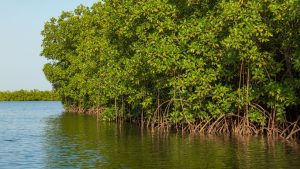
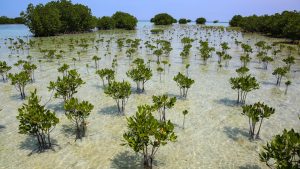
Strengthening the understanding of coastal and marine biodiversity conservation through field studies in marine and coastal ecosystems.
SDG 15 – Life on Land
Exploring tropical rainforest ecosystems and terrestrial biodiversity as a foundation for sustainable land management and habitat protection.
SDG 17 – Partnerships for the Goals
Strengthening international networks and collaboration among universities, research institutions, NGOs, and other stakeholders, including potential partnerships with industry sectors interested in the sustainable use of biodiversity
Contact Person & Information Center
The event will be held on 10- 19 July 2026
Background and Urgency
Tropical biodiversity represents one of Earth’s most invaluable assets. Tropical regions possess the highest levels of biodiversity globally, with genetic, species, and ecosystem diversity underpinning critical ecological functions such as climate regulation, water cycles, soil fertility, carbon sequestration, and habitat provision. As a significant part of the tropics, Indonesia is recognized as a megadiverse nation—a vital hub for research, education, and
conservation, and a “natural laboratory” for the advancement of evidence-based science and policy.
Despite this immense potential, tropical biodiversity is currently facing increasingly severe pressures. Deforestation, ecosystem degradation, climate change, overexploitation of natural resources, pollution, and the species extinction crisis are interconnected threats to the long-term survival of flora, fauna, and ecosystem stability. These challenges impact not only the environment but also economic sectors reliant on ecosystem services, as well as the socio-cultural sustainability of local and indigenous communities deeply connected to tropical
environments.
In this context, sustainable tropical biodiversity conservation has become an urgent necessity and a shared global responsibility. Indonesia holds a strategic position in contributing to the achievement of the Sustainable Development Goals (SDGs), specifically SDG 4 (Quality Education), SDG 13 (Climate Action), SDG 14 (Life Below Water), SDG 15 (Life on Land), and SDG 17 (Partnerships for the Goals). The Tropical Biodiversity Summer course: Towards Sustainable Conservation 2026 is designed as an intensive and integrative program that combines lectures, workshops, fieldwork, and cross-cultural engagement. It aims to enhance the academic capacity and practical skills of students while building collaborative
networks between acade.
Program Objectives
General Objective
To enhance the academic and practical capacity of students in understanding, analyzing, and designing sustainable conservation solutions for tropical biodiversity through a multidisciplinary, collaborative, and field-based approach.
Specific Objectives
- To equip participants with a comprehensive understanding of fundamental tropical ecology concepts and current challenges in conservation.
- To enhance participants’ proficiency in modern biodiversity research methodologies, including environmental DNA (eDNA) approaches, species distribution modeling, the application of artificial intelligence in conservation, case studies, and socio-ecological perspectives.
- To develop fieldwork skills in biodiversity studies through field trips to coastal ecosystems and conservation areas in Pangandaran, including wildlife conservation case studies in West Java.
- To promote the sustainable utilization of tropical biodiversity, particularly for health, medicine, and human well-being, guided by the principles of sustainability.
- To foster international networks among students, academics, research institutions, NGOs, and industries engaged in the conservation and sustainable utilization of biological resources.
- To provide a platform for academic credit earning through the Bioconservation (BI4107) course, equivalent to 3 credits, for participants who meet the required academic criteria.
Alignment with the SDGs
Specifically, this Summer course contributes to:
SDG 4 – Quality Education
Enhancing participants’ academic capacity and practical skills through lectures, workshops, and field-based activities grounded in current conservation issues.
SDG 13 – Climate Action
Facilitating discussions on climate change adaptation and mitigation strategies within the context of tropical ecosystem conservation and ecosystem resilience.
SDG 14 – Life Below Water
Strengthening the understanding of coastal and marine biodiversity conservation through field studies in marine and coastal ecosystems.
SDG 15 – Life on Land
Exploring tropical rainforest ecosystems and terrestrial biodiversity as a foundation for sustainable land management and habitat protection.
SDG 17 – Partnerships for the Goals
Strengthening international networks and collaboration among universities, research institutions, NGOs, and other stakeholders, including potential partnerships with industry sectors interested in the sustainable use of biodiversity
Contact Person & Information Center
[:]
 English
  Indonesian